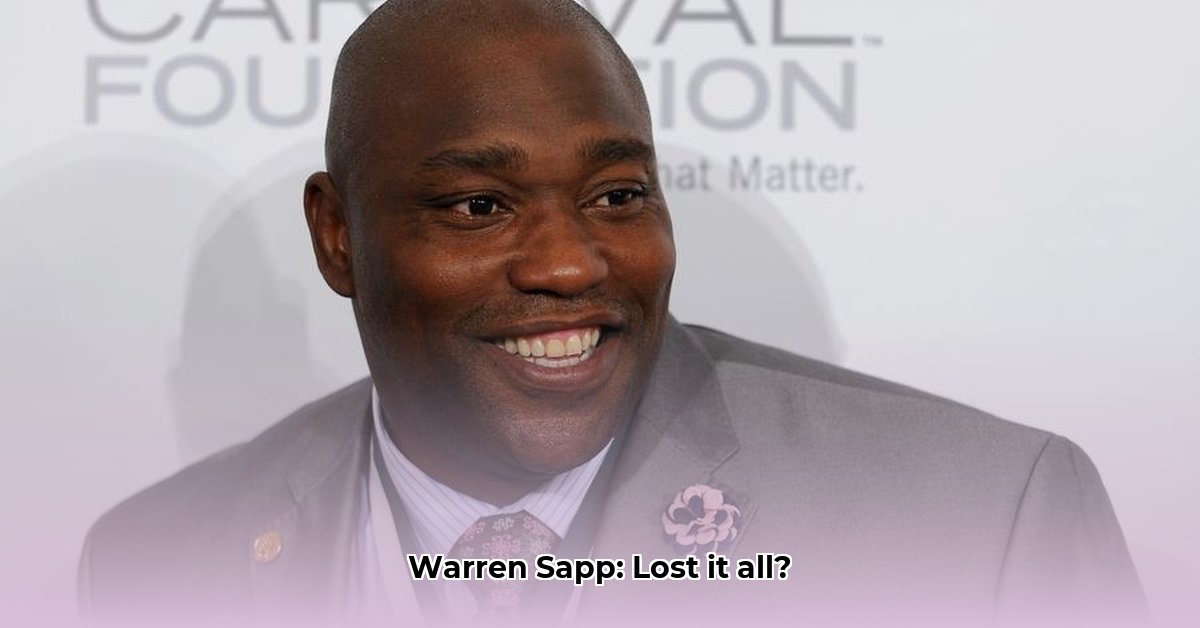
Warren Sapp, a Hall of Fame defensive tackle and Super Bowl champion, once commanded millions. Yet, in 2012, he declared bankruptcy. This isn't just a celebrity downfall; it's a stark lesson in financial literacy, highlighting how even immense NFL salaries can vanish without careful planning. This article unveils Sapp's financial journey, explores the factors that led to his bankruptcy, and provides actionable steps to safeguard your own financial future.
From Gridiron Glory to Financial Ruin: Warren Sapp's Story
Warren Sapp's NFL career generated an estimated $40 million to $60 million. Imagine the possibilities! Yet, his story is a cautionary tale. This wasn't about a lack of earning potential; it was about a lack of financial planning and management. Did he underestimate the bite of taxes? Did he overestimate his ability to handle extravagant purchases? His trajectory reminds us that even enormous wealth can evaporate if not managed wisely.
The Lavish Lifestyle and the Mounting Debt
Sapp's post-NFL life was marked by a lavish lifestyle, including multiple luxury homes and a fleet of expensive cars. These purchases, while exciting, quickly chipped away at his considerable fortune. This is akin to pouring water into a bucket with holes; you keep adding, but it all leaks away before it can fill. Compounded by missed tax deadlines and overdue child support payments, his financial troubles escalated rapidly. The accumulating debt and penalties created a snowball effect, leading to an unmanageable financial burden. This raises a crucial question: How could such a successful athlete find himself in this predicament?
The Turning Point: Bankruptcy and its Fallout
By 2012, the weight of Sapp's extravagant spending and mounting debt forced him into bankruptcy. This dramatic shift from NFL superstar to financial ruin underscores how vulnerable even immense wealth is without a solid financial foundation. It's a powerful reminder that financial responsibility isn't optional, regardless of your income bracket. His experience serves as a warning to others, proving that millions earned don’t guarantee long-term financial stability.
Learning from Sapp's Mistakes: Actionable Financial Strategies
What can we learn from Sapp's experience? His story offers valuable lessons on financial planning, budgeting, and the importance of professional guidance. These key takeaways could have significantly altered the course of his financial future.
1. Budget Intelligently: A detailed budget is paramount. Track every dollar earned and spent. Sapp's story illustrates how easily spending can spiral out of control without a clear financial plan. Knowing where your money goes is the first step to managing it effectively.
2. Seek Professional Financial Advice: A financial advisor provides personalized guidance on budgeting, investing, tax planning, and long-term financial goals. They navigate the complex financial landscape, offering invaluable expertise to avoid costly errors.
3. Prioritize Tax Obligations: Punctual tax payments are non-negotiable. Penalties and interest can quickly drain your resources. Consider taxes a mandatory monthly bill, just as essential as rent or a mortgage.
4. Plan for the Future: Even high-income earners need a plan for retirement and unexpected life events. Diversifying income streams and investing wisely ensures long-term financial security.
5. Build an Emergency Fund: Life's unpredictable. An emergency fund acts as a financial safety net, mitigating the stress of unexpected expenses like medical bills or car repairs.
Actionable Steps: A Guide to Financial Well-being
Transforming financial knowledge into action is crucial. The following steps provide a roadmap to avoid financial pitfalls:
Create a Realistic Budget: Track income and expenses for at least one month to identify spending patterns and areas for improvement. Utilize budgeting apps or spreadsheets for assistance.
Find a Qualified Financial Advisor: Interview several advisors before selecting one who aligns with your financial goals and risk tolerance.
Prioritize Tax Payments: Set up automatic payments or reminders to avoid penalties. Consult a tax professional for tax planning strategies.
Diversify Income Streams: Explore additional income sources beyond your primary income stream. This creates financial resilience and protects against potential setbacks.
Establish an Emergency Fund: Aim for 3-6 months' worth of living expenses in a readily accessible account. Begin small and gradually increase savings.
The Crucial Takeaway: Financial Literacy is Key
Warren Sapp's financial struggles aren't just a celebrity story; they serve as a crucial reminder of the importance of financial literacy. Proactive planning and sound financial decisions are vital for long-term financial well-being, regardless of income level. Ignoring these principles can have devastating consequences. Learn from Sapp's journey and build a secure financial future. His story underscores that financial success requires more than just earning potential—it demands financial literacy and proactive planning.